
A buyer who wants to know whether you are any good used to call a reference. Now a lot of them ask an AI first.
We can see it in our own Search Console. Over the last three months, Google showed one of our case study pages for searches like these:
- "evaluate the warehouse automation company [our client] on manufacturing"
- "how strong is [our client]'s reputation in the warehouse automation industry?"
- "does [our client] provide good value for complex automation projects?"
- "is [our client] a trustworthy warehouse automation and intralogistics company?"
The page is our warehouse automation case study film for that integrator. We left their name out here. The searches had it.
Nobody types like that into a search box. Those read like a buyer's questions to an AI assistant, broken into searches. Google says its AI Overviews and AI Mode may do exactly that, "issuing multiple related searches across subtopics and data sources" to build an answer. For those searches, our page about our client's project showed up between sixth and seventh on average.
Buyers are already doing this
Forrester's 2025 Buyers' Journey Survey found 94 percent of business buyers use AI somewhere in their buying process. Twice as many named generative AI or conversational search as a more important source of information than any other source.
The questions are not small, either. Two more from our own data:
- "for a gmp biologics manufacturing facility in north carolina, which automation, power and building control vendors would you shortlist, ranked, and why?"
- "our industrial company's website was built by it and doesn't generate any leads. which agencies can fix that?"
That is a buyer asking for a ranked shortlist with reasons. The AI goes looking for evidence, and it can only use what it finds.
Your sales deck is not in the room. Whatever is published about you is.
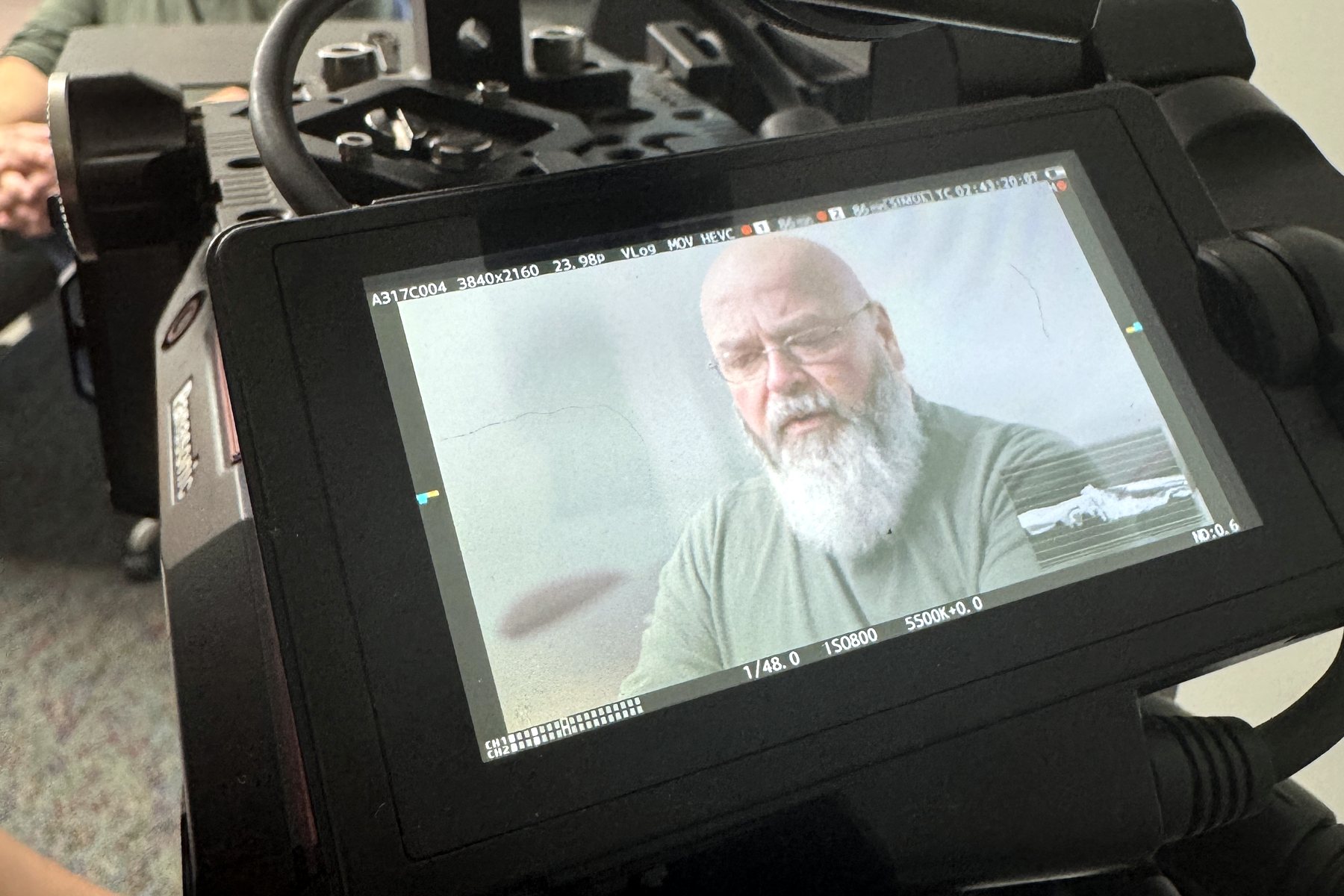
What the AI reads when it vets you
Pages, not your reputation. Google says a page has to be indexed and eligible to show in Search with a snippet to appear as a link in its AI features, and that nothing special is needed beyond that. If the proof about you is not on a page that can be found, it does not exist to the AI.
Pages you did not write. When the question is whether a company is trustworthy, a page that company wrote about itself is the weakest answer available. What came up for our client was a page on our site, where the people who run the system explain the project in their own words.
Specific answers to specific questions. Value on complex projects. Reputation in the industry. Whether they make a good long term partner. Those were the questions. A page that answers them with a named project and a customer on camera is hard to beat.
Give the AI something to find
This is the practical side of how manufacturers get recommended by ChatGPT and AI search. Five things to do.
Name the customer and the project. "A leading automotive supplier" gives a buyer nothing to check. A named company, a named facility and a named result can be checked, and that is the point.
Put the words on the page. A video with nothing written around it gives a search engine very little to work with. Put a written summary, the key quotes and the results on the same page as the case study video.
Let it live in more than one place. Your website, your customer's website, the partner who filmed it, the trade press. Our client's project came up through a page on our site, not theirs.
Answer the questions buyers ask. The searches above are a list of what buyers want to know: value, reliability, how you handle complex jobs, whether you stick around. Answer each one with a customer story, in a customer's words.
Ask for the testimonial now. The best time is right after a project goes well. Here is how to ask for a video testimonial without making it awkward. And if buyers land on your website and still do not call, start there.
Where video does not help
Nothing published says video makes an AI recommend you, and nobody can promise you a spot in an AI answer.
What video does is put a customer on record, in their own words, on a page buyers and search engines can find. If the project went badly, no film fixes that.
The short version
- Buyers ask AI to vet suppliers. Forrester found 94 percent of business buyers use AI in their buying process.
- Our own search data shows those questions arriving as searches about a named company's reputation, value and reliability.
- The AI can only use pages it finds. Google says the page has to be indexed and eligible for a snippet.
- A customer saying it on a page you did not write answers the trust question better than your own claims.
- Name the customer, put the words on the page, and let the story live in more than one place.