
The analytics say people are visiting. The RFQ inbox says nobody is.
Every week that lasts, buyers who could have sent you a drawing send it to someone else. Before anyone talks about a redesign, figure out which of three things is going on. The traffic is not buyers. The buyers cannot reach you. Or the buyers cannot tell whether you can make their part.
The fixes are different, and only one of them involves video.
Find out who the traffic is
A lot of it is not people. The 2026 Bad Bot Report from Thales found that bots made up more than 53 percent of all web traffic in 2025. Human activity fell to 47 percent.
Google Analytics automatically excludes known bots and spiders, which helps. Google also says you cannot see how much it excluded, and a bot it does not recognize can still show up as a visit.
Then look at where the humans land. If most visits go to the careers page and an old blog post that ranks for something you do not sell, that traffic is job seekers and students. Good traffic, wrong door.
Search Console shows the searches that brought people in. If none of them name a process, a material or a part you make, buyers are not finding you yet, and no form fix will change that. Buyers also ask AI tools for suppliers now, and here is how manufacturers get recommended by ChatGPT and AI search.
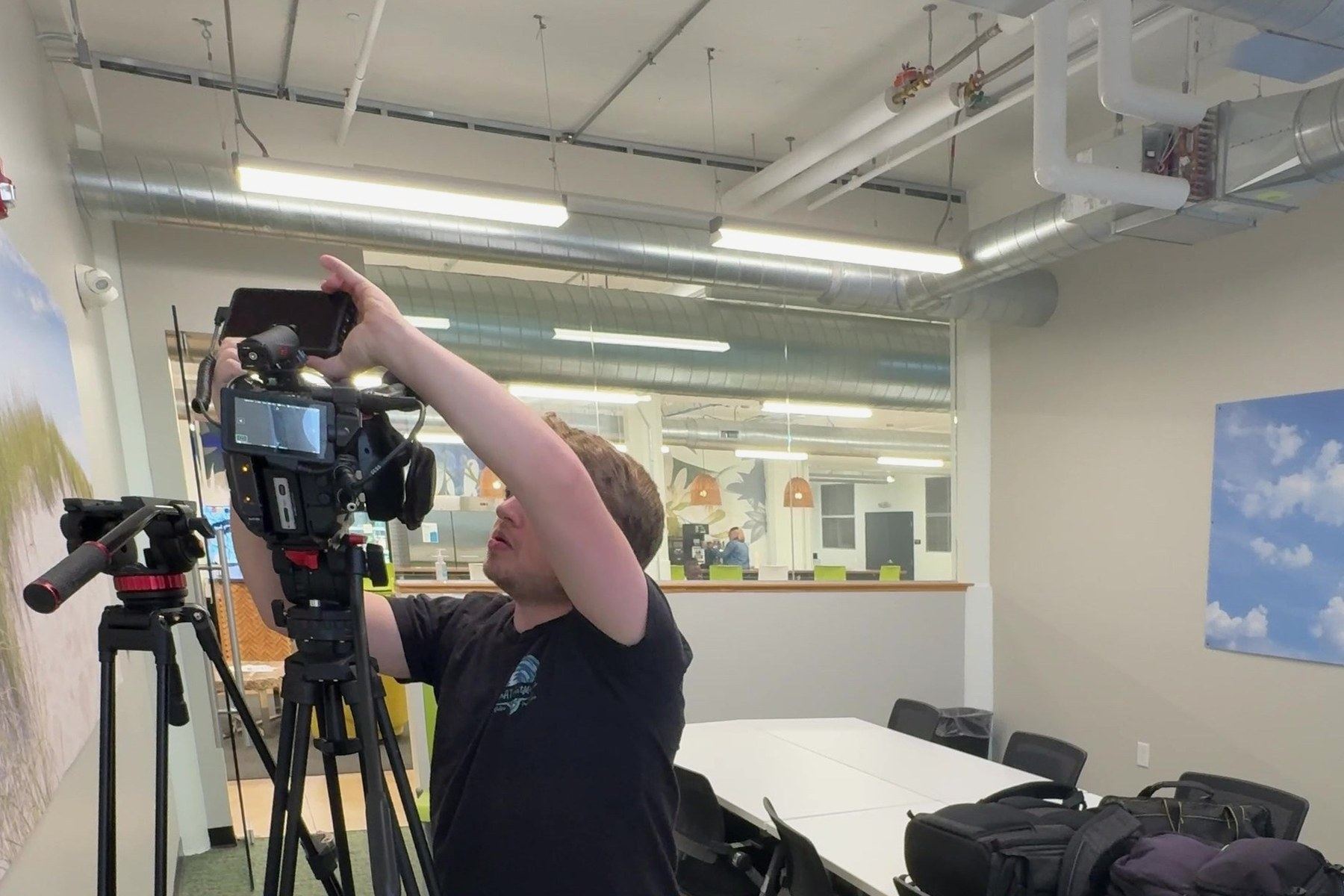
Test the form like a buyer would
Fill out your own RFQ form this week. From your phone, with a full size drawing file attached.
When researchers writing in Harvard Business Review audited 2,241 US companies in 2011, 23 percent never responded to a test lead from their website at all, and only 37 percent responded within an hour. Check where your form sends. Forms get set up once and forgotten, and the inbox can belong to someone who left.
Then look for the things that quietly kill an RFQ.
A file limit smaller than a drawing. A STEP file or a drawing package can blow past an upload cap, and the buyer gets an error or nothing at all.
A required field they cannot answer yet. Annual volume, target price, decision date. Someone still exploring will close the tab rather than guess.
A form that breaks on a phone. Try it with your thumbs, not your desktop.
A thank you page that says nothing. Tell them who will read it and when they will hear back.
Speed counts too. In a study Google commissioned from 55 and Deloitte, covering 37 brand sites and more than 30 million sessions, a mobile site that loaded 0.1 seconds faster moved 21.6 percent more users on lead generation sites through to the form submission page.
Tell buyers whether to send the part
The buyers who do arrive want to talk, eventually. In TREW Marketing and GlobalSpec's 2025 survey, technical buyers spent an average of 60 percent of the buying process online before speaking to anyone at a company. Only 6 percent said they would rather not talk to a salesperson at all.
So they will reach out, but not to find out what you do. If the site does not tell them whether you can make the part, they open the next tab.
This is the most common gap we see, and it is rarely carelessness. People who live inside a business describe it the way they think about it, not the way a buyer hears it.
When we filmed Naturally Nectar, a thickened drink made with fruit fiber, the founder's own description led with lower sugar. That works on a shopper comparing bottles. It does not reach a caregiver. After seeing the first cut, she said herself she did not know why she started talking about sugar content.
More on why your buyer can't follow what you do.
Ethos Digital Lounge in Greensboro rents out a recording studio, a podcast setup, a gaming room and a VR room. When we first sat down with the owner, Russell Morgan, it took a while to understand what he offered, because it was not stated clearly anywhere, including the site. We filmed 28 short videos at a grand opening, each one a guest talking about the space. Afterward, Russell said they created the kind of curiosity that "makes somebody go the next step of sending an email."
Why buyers who find the form still do not send it
Some buyers land on the right page, can tell you make the part, and still close the tab. Usually one of these is in the way.
The drawing is not theirs to share yet. A drawing is somebody's intellectual property, and plenty of engineers cannot upload one to a shop they have never worked with. Say on the form that you will sign their NDA first, and let them send the RFQ without the file.
Defense work has rules. If you make parts for defense programs, buyers may be holding controlled unclassified information. The Department of Defense's CMMC program rule took effect on December 16, 2024, and since November 10, 2025, the department has been writing CMMC self assessment requirements into solicitations as a condition of award. If you have done your assessment, say so near the form. If you have not, say what you can accept. More on what you can film in an ITAR facility.
They cannot tell what happens next. Will a person read this, and when? Put a name and a response time next to the button. When we filmed for JD Paint Pros, the client who hired them over several other quotes named response time first, then the detail in the quote and the prep work.
They do not know if they are too small. If you have minimums, say them. A buyer who cannot tell whether a short run is worth your time will assume it is not.
Nobody looks like they would answer. A page of machines and no people reads like a portal. Put the person who reads every RFQ on the page, by name, ideally on camera saying how fast they answer.
Where video helps, and where it does not
Video will not fix bot traffic, a broken form or a slow page. Fix those first. They are faster and cheaper.
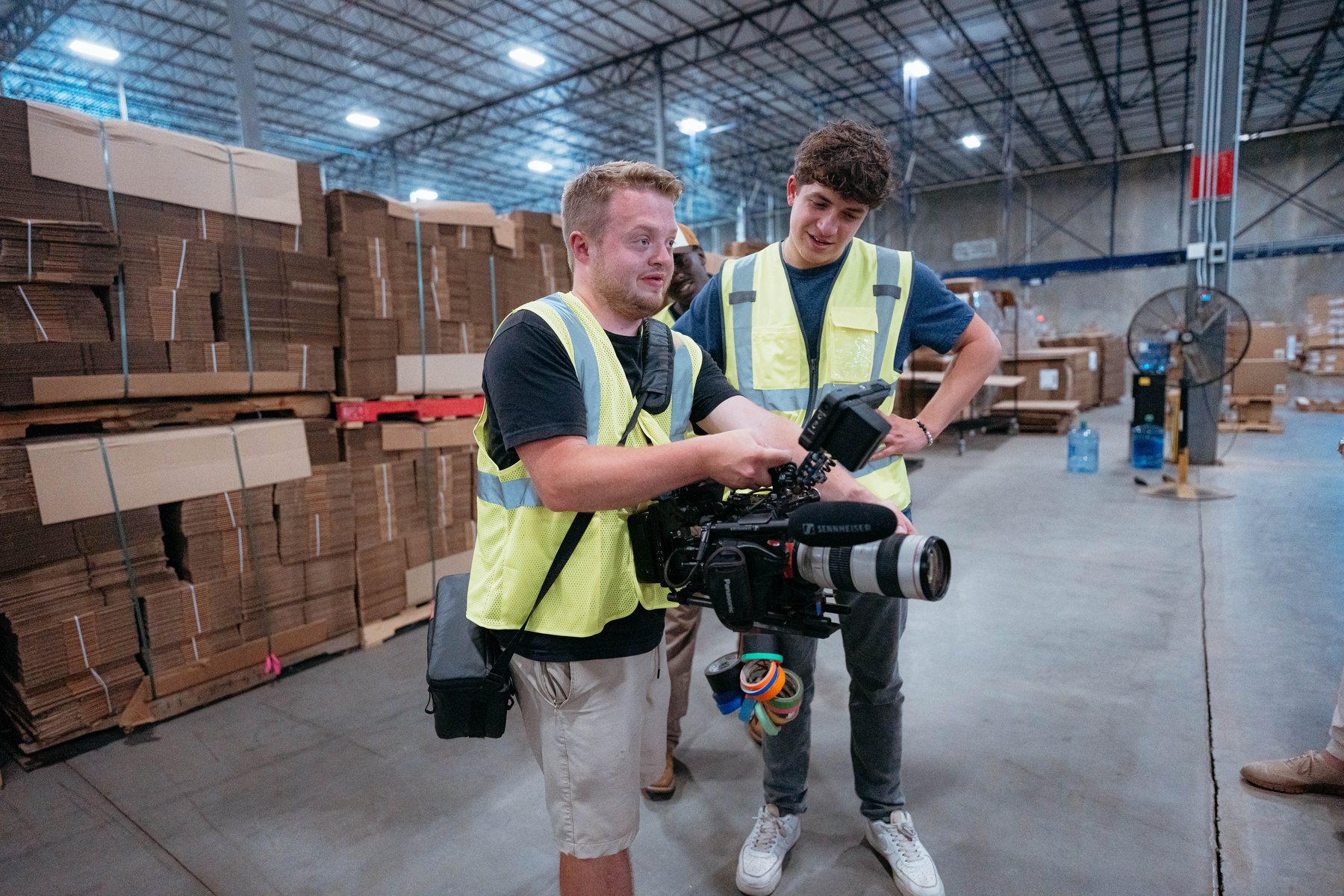
It helps once a buyer is on the right page and still cannot tell what you are good at. For most of the manufacturers we film, the answer is the floor itself. A two minute look at the setups, the parts and the people answers that faster than another paragraph, and a customer saying why they stay answers what a capabilities list cannot.
Put it on the capabilities page, right above the RFQ button. Not on a video page nobody visits.
The short version
- Find out who the traffic is before you redesign anything. More than half of web traffic in 2025 was bots.
- Submit your own RFQ from a phone with a full size drawing, and see where it lands.
- Say plainly what you make, in numbers, so a buyer knows whether to send the part.
- Use video once the basics work, right next to the RFQ button.