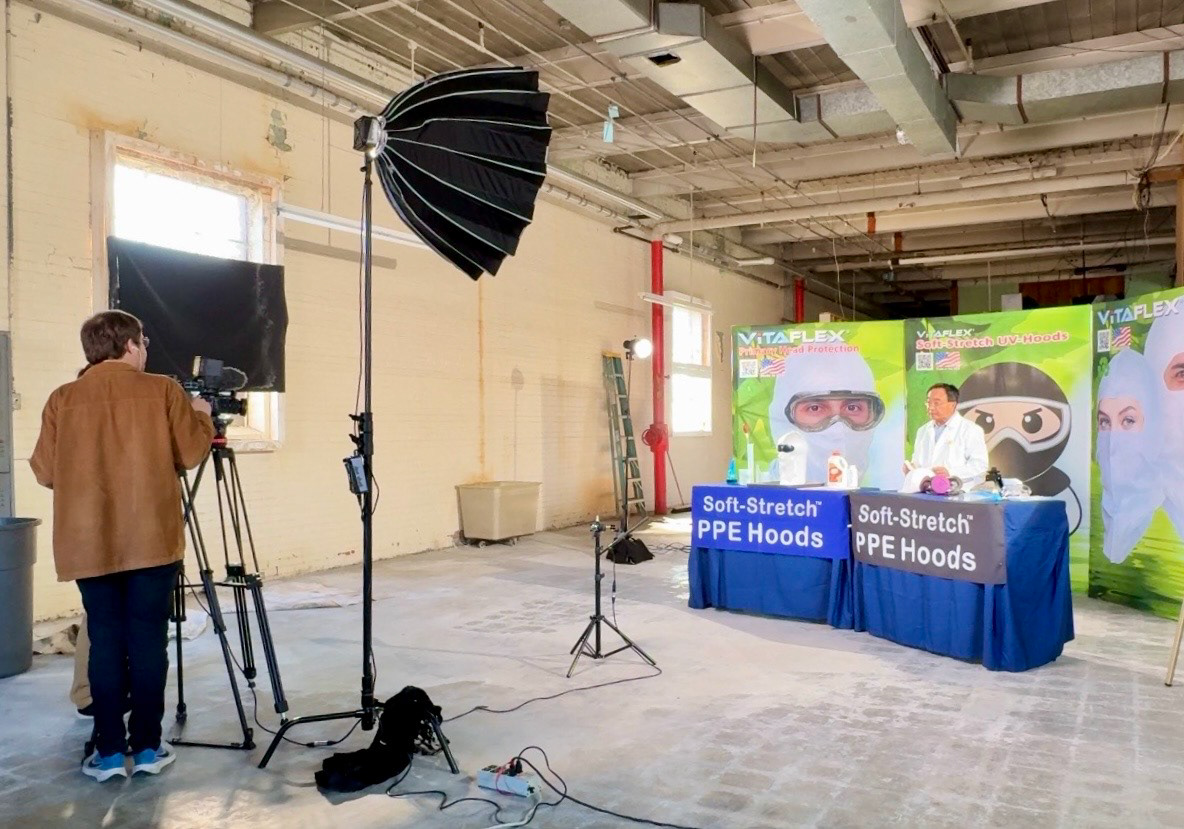
Filming safety content in the space where the work actually happens.
The difference between a safety video that works and one that gets clicked through is whether it was filmed somewhere the viewer recognizes.
A generic module shot in a rented warehouse with actors teaches the rules. A module shot on the floor where the viewer actually works teaches the rules and signals that somebody paid attention to this specific place.
That second thing is what makes people watch instead of skip.
Why real sites matter more than production value
Safety training has a credibility problem. Most people have sat through modules that clearly had nothing to do with their job, and they have learned to tune them out before the first slide finishes.
Filming on an actual plant floor or job site fixes that in the first five seconds. The viewer sees their own equipment, their own layout, their own hazards. The content has not changed but the attention has.
This also means the footage stays relevant longer. A module shot in a generic space ages the moment the stock library updates. A module shot in your facility ages when your facility changes.
How modules should be structured
Safety content works best broken into short single topic pieces rather than one long video.
Medical emergency response is its own module. Ergonomics is its own module. Lockout tagout, fall protection, confined space, PPE, each one stands alone.
Three reasons that structure wins.
People retain short. A four minute module on one topic beats a thirty minute module on eight.
You can assign what is relevant. Not everyone needs every topic. Modular content lets you send the right three to the right people.
You can update one piece without reshooting everything. When a standard changes or a process changes, you replace one module instead of the whole library.
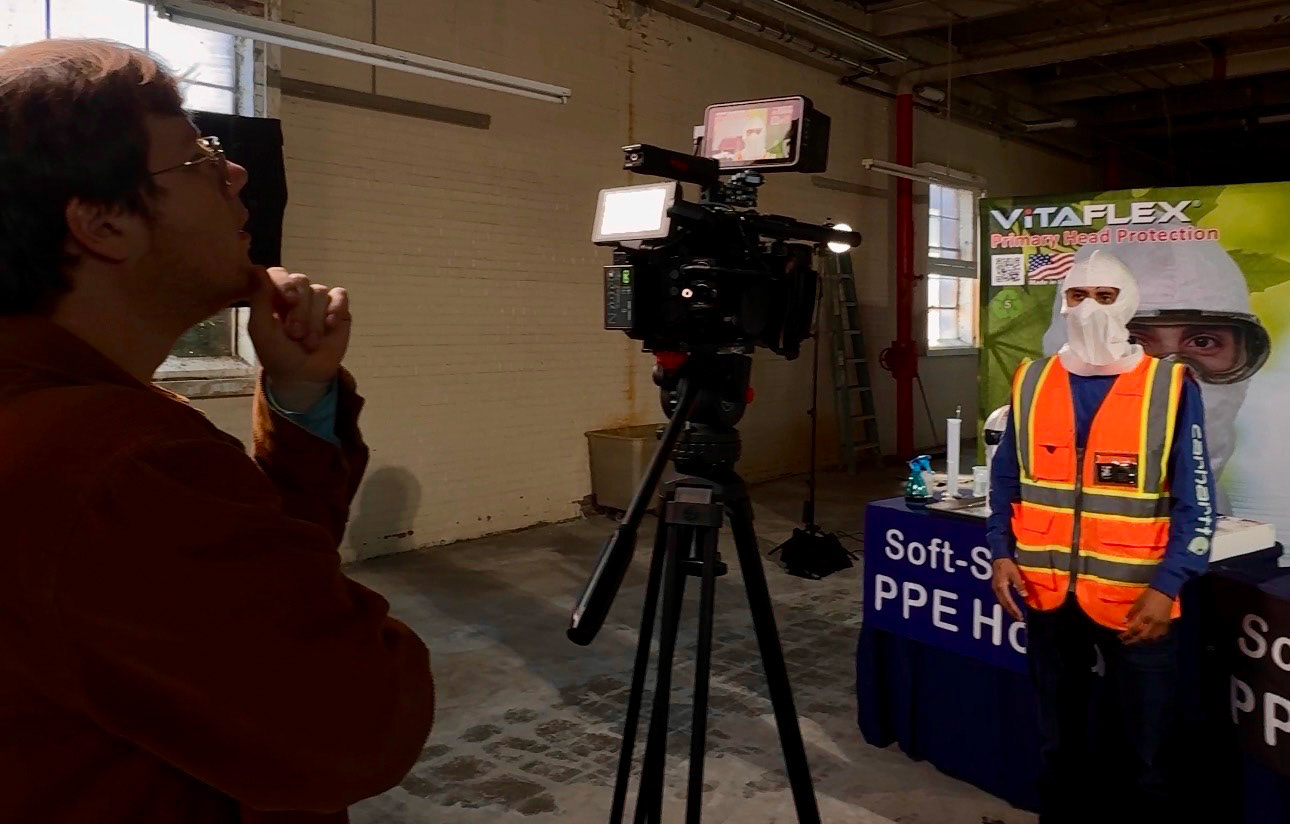
Real people who do the job. A machinist can tell when somebody's faking it.
What to film on site
The strongest safety footage is usually the least dramatic.
Hands doing the correct version of a task, filmed close. The actual equipment, not a similar model. Real people who do the job, not actors, because a machinist can tell when somebody is holding a tool wrong.
Wide shots that establish the space matter too. Somebody watching needs to recognize where they are before the instruction lands.
Working around production
Safety shoots have the same constraint every plant shoot has, which is that the facility keeps running.
The practical answer is filming during normal operations rather than staging anything, and pulling individual people for short blocks rather than gathering groups. Most safety modules can be filmed in a few hours on site without stopping work.
Anything genuinely hazardous gets filmed with the same rules everyone else follows. If the site requires hard hats, safety glasses, hi vis, or an escort, the crew follows all of it. A safety video shot by a crew ignoring safety rules undercuts itself.
What makes it last
A safety library is an asset that pays out over years, not a one time deliverable.
New hires watch it during onboarding. Existing staff rewatch during annual refreshers. It supports documentation for compliance. And when a process changes, one module gets replaced instead of the entire set.
That is a very different value calculation than a marketing video, and it usually justifies filming more topics in one visit than you think you need on day one.
Short version
Filming on your actual site beats stock footage, because recognition is what makes people watch.
Break content into short single topic modules rather than one long video.
Modular content can be assigned selectively and updated one piece at a time.
Film real people doing real tasks on real equipment. Machinists can tell when somebody is faking it.
Most safety modules can be filmed during normal operations without stopping production.
We make documentary style video for manufacturing and construction companies across Greensboro and the Triad. Happy to come to you.
Dylan Smith is the owner of With A Twist Media in Greensboro, NC. He has been making documentary style video for manufacturers and construction companies across the Triad since 2019.