Almost none of it, if the shoot is built right.
Here is the honest breakdown. On a typical plant shoot, the only people pulled away from their work are the ones being interviewed, and each one is gone for about 20 minutes. Everything else is filming work that is already happening.
That is the whole answer. The rest of this page explains why, and what to watch for if somebody tells you different.
Who actually stops working
Two groups of people are involved in a plant video, and only one of them loses time
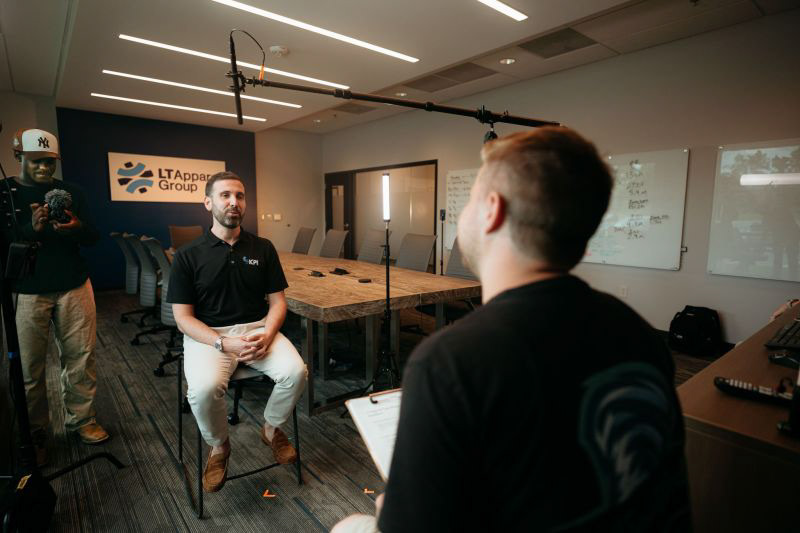
Set up before they walk in. Twenty minutes, then they're back on the floor.
People being interviewed. Usually three to five people. Owner, plant manager, a supervisor, a machinist or two. Each one sits down for fifteen to twenty minutes. We set up the shot before they walk in, so their clock starts when they sit and stops when they stand up.
Everyone else. They keep working. We film around them. Nobody is told where to stand, nothing gets staged, no line stops for a shot.
If a production company needs your floor cleared, your line paused, or your people repositioned, that is a commercial shoot, not a documentary one. Those are different jobs with different costs, and most manufacturers do not need the first one.
The three things that decide whether anybody notices
Where the interviews happen. A conference room, a break room, or a quiet corner of the floor. Anywhere that is not in the way. The interview location matters more for disruption than the floor footage does.
Whether the shoot is scheduled around your day. Shift change, lunch, and the first hour of the morning are usually the worst windows. A shoot that starts at 10:00 and wraps by 2:00 avoids most of what makes a plant chaotic.
Whether the crew knows plant rules before they arrive. Hard hat areas, safety glasses, restricted zones, whether visitors need a badge or an escort. That conversation happens before shoot day, not at the gate.
What we need from you before we show up
Not much, and none of it takes long.
A walkthrough or a few photos of the space. Ten minutes on a call to talk through who should be interviewed and why. Any safety requirements. That is it.
The people being interviewed do not need to prepare anything. In fact it works better when they have not. Rehearsed answers sound rehearsed, and the goal is somebody explaining what they do the way they would explain it to a friend.
What a typical day looks like
Arrive at 9:30 or 10:00. Set up the interview space while the floor keeps running. Interviews run back to back, around 20 minutes each, so five people takes under two hours including resets.
Then two to three hours of filming the work itself. Machines running, hands doing things, whatever the process actually looks like. This part is entirely passive on your end.
Out by mid afternoon.
What actually disrupts a shoot
For the record, the things that slow a plant shoot down are almost never the filming.
1. Waiting on somebody who was not told they were being interviewed.
2. A conference room that got double booked.
3. Nobody available to escort the crew into a restricted area.
4. Deciding on shoot day who should be on camera.
All four are scheduling issues, and all four get solved with one phone call the week before.
Short version
Only the people being interviewed lose time, about twenty minutes each.
Everyone else keeps working. We film around them and nothing gets staged.
A five person shoot at one facility runs about four hours start to finish.
The disruptions that actually happen are scheduling ones, not filming ones, and they get solved before shoot day.
If a production company needs your line stopped, that is a different kind of shoot than most manufacturers need.
We make documentary style video for manufacturing and construction companies across Greensboro and the Triad. Happy to come to you.
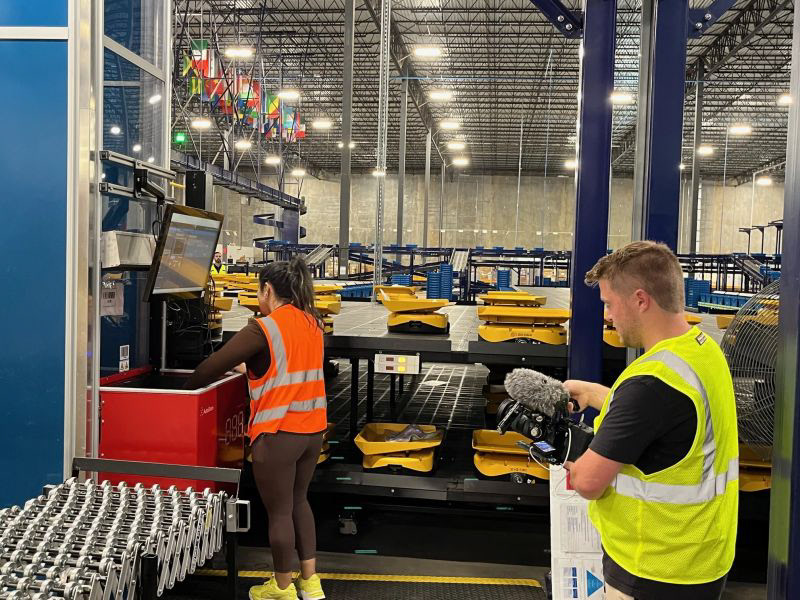
Filming the work while it happens. Nothing staged, nothing stopped.
Dylan Smith is the owner of With A Twist Media in Greensboro, NC. He has been making documentary style video for manufacturers and construction companies across the Triad since 2019.