Don't claim it. Prove it on camera.
Buyers discount claims they cannot see. Product proof video films your test live, like a SWAT breach or a side by side burn, so buyers watch the claim hold up.
- Proof
- Shield Security Doors, The Flame Detector
- The tests
- A SWAT breach, live fires
- Best for
- Products whose strength is hard to describe
- Where it runs
- Trade shows, sales calls, websites, distributors
Every competitor makes the same claim.
Stronger, safer, faster, longer lasting. A buyer has read it on every spec sheet in the category, and a claim on paper costs nothing to make, so he discounts yours and compares on price.
A test on camera is a claim a buyer can watch hold up.
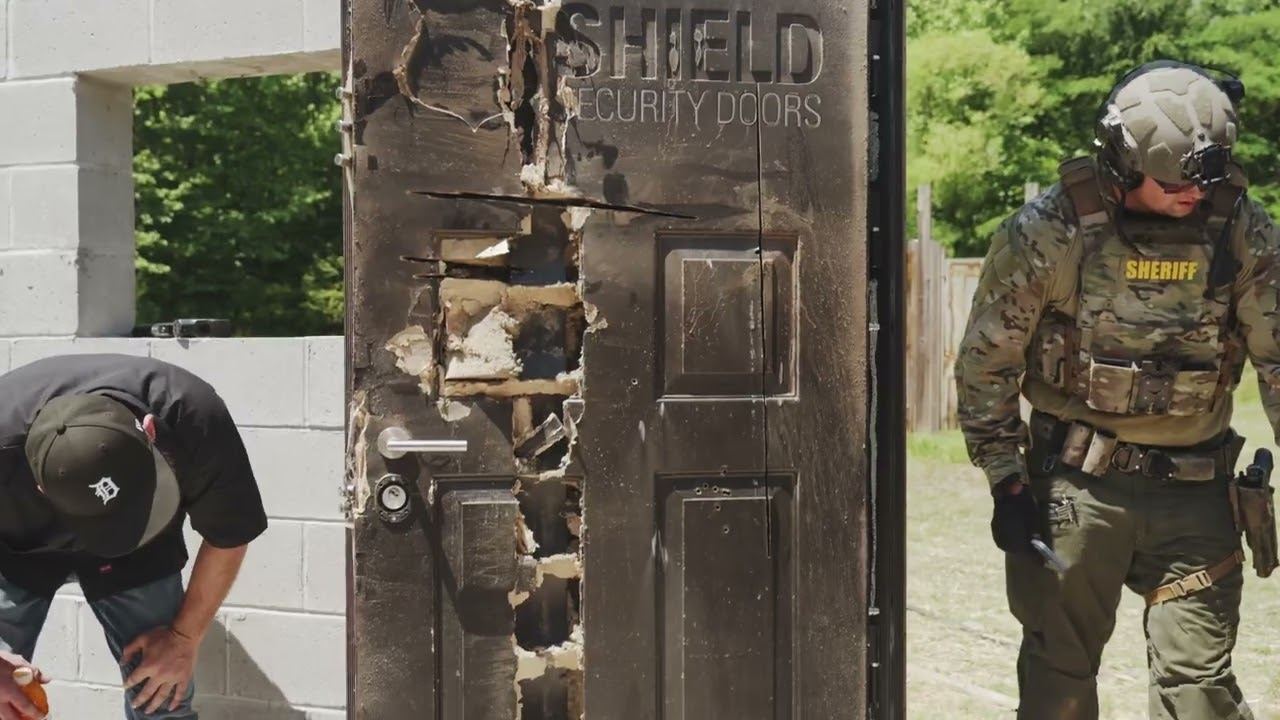
A SWAT team and a security door.
Shield Security Doors told buyers their doors were hard to break through. So a SWAT team tried, on camera, at the test structure, while we filmed. The result was proof the company could never show before.
"It's opening new opportunities for us and showcasing what we do in a way we could never show previously."
Samuel Fish, Shield Security Doors. Read the Shield Security Doors case study.
 Shield Security Doors · 0:14A SWAT team tests a Shield Security Door
Live fires and a smoke alarm.
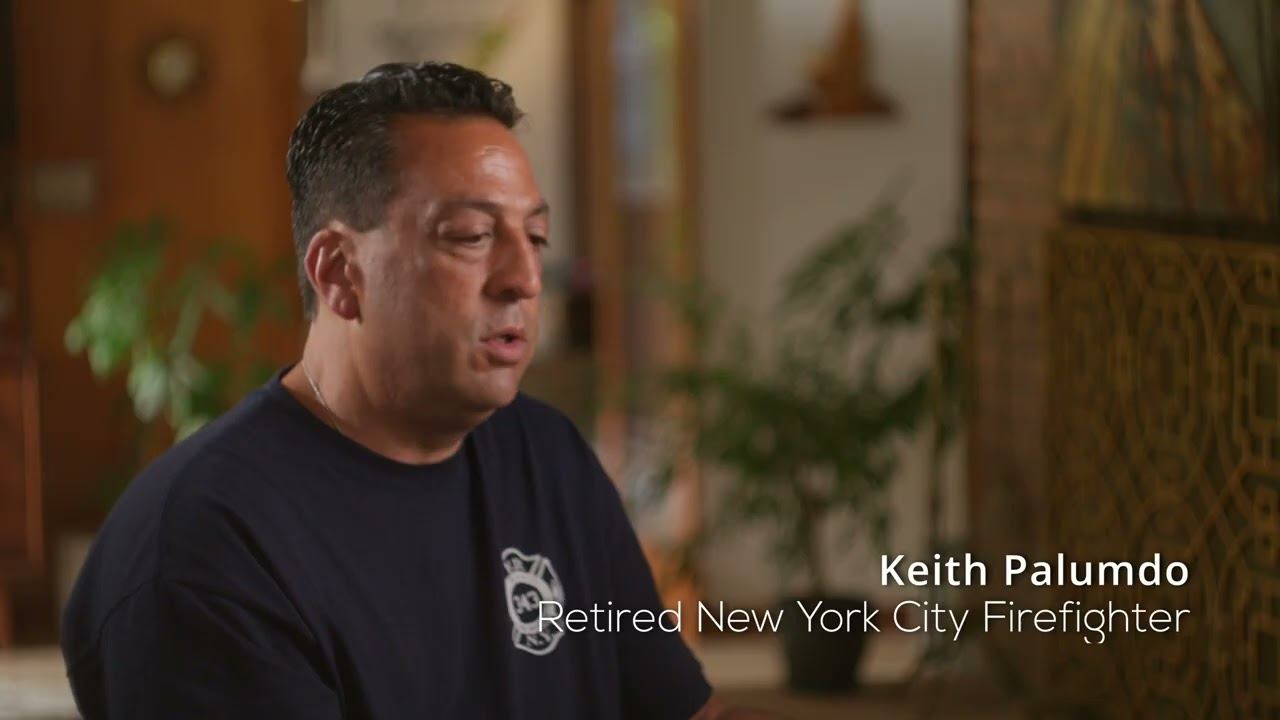
The founders of The Flame Detector are firefighters, and they knew smoke alarms fail. Homeowners do not. So we filmed live fires, the flame detector and smoke alarms side by side, and let buyers watch which one reacts first. Read The Flame Detector case study.
Planning a test you only get one shot at.
Cover it from every angle. A breach or a burn happens once. Cameras are placed and rolling before it starts, so nothing depends on getting lucky.
Work inside their safety plan. Whoever runs the test, a fire department, a tactical team or your engineers, runs the safety plan. We plan camera positions around it.
Film the people, not just the moment. The setup, the faces watching, the reaction after. That is what makes the test believable instead of staged.
Say what it means. A founder or an engineer explaining what the viewer just saw, in plain words.
Short version.
- A claim on paper costs nothing. A test on camera is proof.
- Shield Security Doors: a SWAT team tried to breach the door.
- The Flame Detector: live fires, side by side with smoke alarms.
- Every angle covered, inside the safety plan of whoever runs the test.
Companies like yours, in their own words.
Questions we get asked.
What kinds of products work for a test video?
Anything whose strength is hard to describe and easy to doubt: security products, safety equipment, materials, equipment that has to hold up under load or heat.
Who runs the test?
Whoever normally would: your engineers, a fire department, a tactical team, a certified lab. We film inside their safety plan.
What if something goes wrong on test day?
Cameras are rolling from several angles before the test starts, so the moment is covered whatever happens. We talk through the plan for that before shoot day.
Where do test videos get used?
Trade show booths, sales follow up, websites, distributor training and LinkedIn, often cut into short pieces from one test day.
Plain answers, before you call.
 Product video
What makes a good industrial product demo video
If buyers can't picture your product, the deal stalls in a room you never get into. What separates an industrial demo video that sells from one nobody finishes.
Read → Product video
Marketing a product nobody ever sees
When your part disappears inside someone else's product, buyers compare you on spec and price alone. What component manufacturers can show to win instead.
Read → Sales and marketing
Why your buyer can't follow what you do
Technical companies lose bids to competitors who explain it worse. What happens when the person deciding has never done what you do, and how to fix it.
Read →Tell us what the video needs to do.

Dylan Smith is the owner of With A Twist Media in Greensboro, NC. He has been making documentary style video for manufacturers and construction companies across the Triad since 2019.